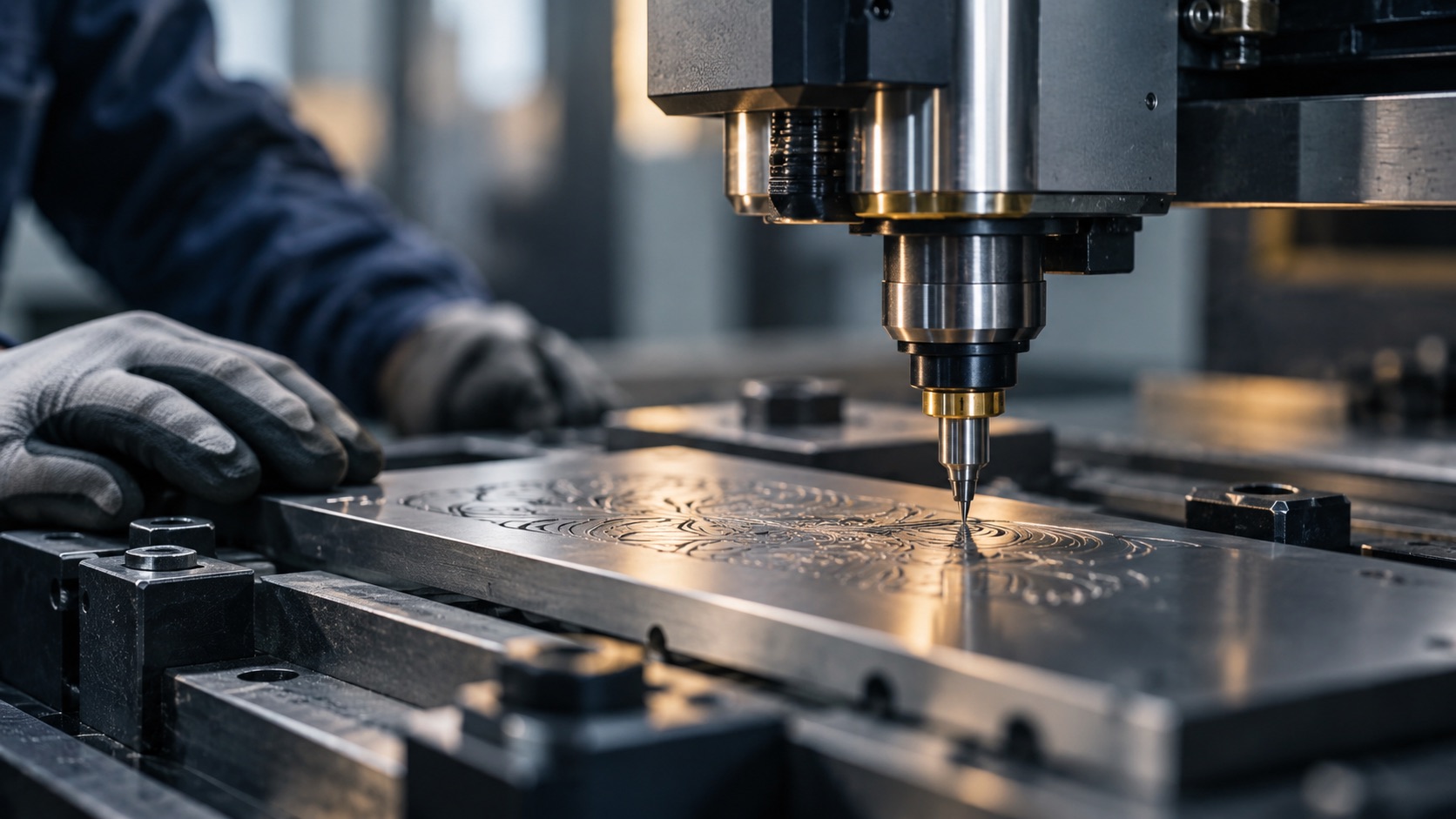
XiaoYu Group helped Gravograph move from social-media activity to a purposeful lead-generation journey for a specialist industrial product.
The customer situation
Gravograph UK, based in Leamington Spa, made engraving and marking machines. An early 2013 WMG project explored how digital channels could demonstrate its equipment and help customers ask questions.
XiaoYu Group continued the work beyond that WMG period, with a broader focus on using social media to generate sales leads.
The XiaoYu Group work
The 2013 public account described working-machine videos and online conversations. XiaoYu Group took the work further: the question became how social media could move relevant buyers from interest in a technical product towards a sales enquiry.
That meant treating social channels as part of a lead-generation journey: show evidence that answers buyer questions, invite a useful conversation and connect that interest to sales follow-up. The aim was a more deliberate route from social activity to prospective customers.
What the early project reported
A 2013 local business report said enquiries rose by 180%. It reported that one in four enquiries converted into a sale, and that 83% of those customers had come from direct competitors. Gravograph's general manager publicly described an increase in business.
Those are client-reported figures from the 2013 account of the early work. They are not presented as measured results of XiaoYu Group's later lead-generation engagement.
Why this matters for leaders
For an industrial manufacturer entering an unfamiliar market, useful product proof must connect to an enquiry and a sales follow-up. XiaoYu’s later Gravograph work focused on that lead-generation journey. The available record does not establish an international expansion result.